01
UV+420
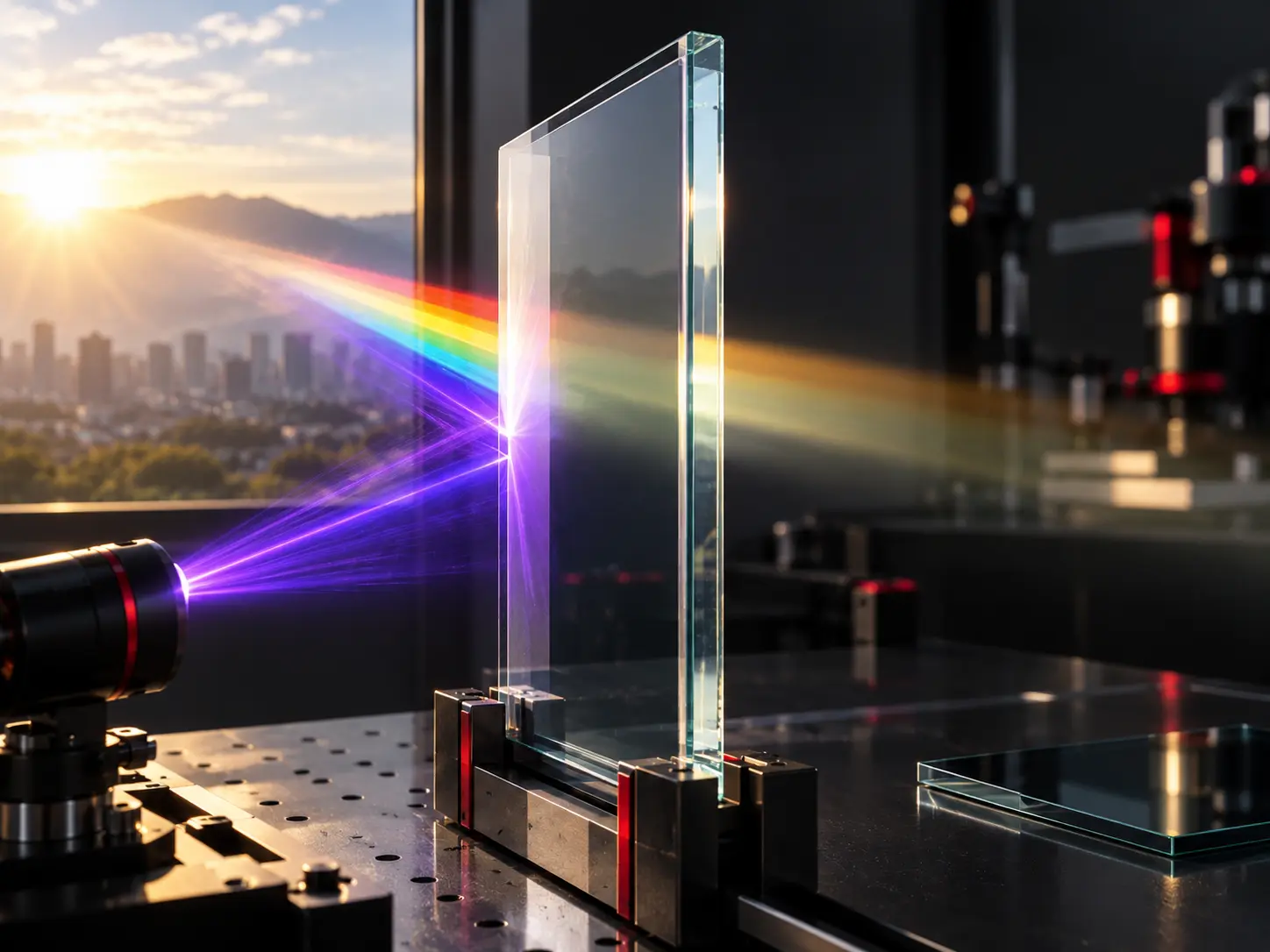
Extended wavelength protection across UV400 and HEV light up to 420 nm.
 THE BEST TINT FOR ASEANE-Warranty
 Three technology platforms combine extended wavelength protection, durable construction and advanced solar heat control.
ExploreIrisPro technology is built around patented UV+420 protection, patented 6-layer hotmelt construction and advanced multi-layer sputtering. Each solves a different need: personal protection, durability and heat performance.
Extended wavelength protection across UV400 and HEV light up to 420 nm.
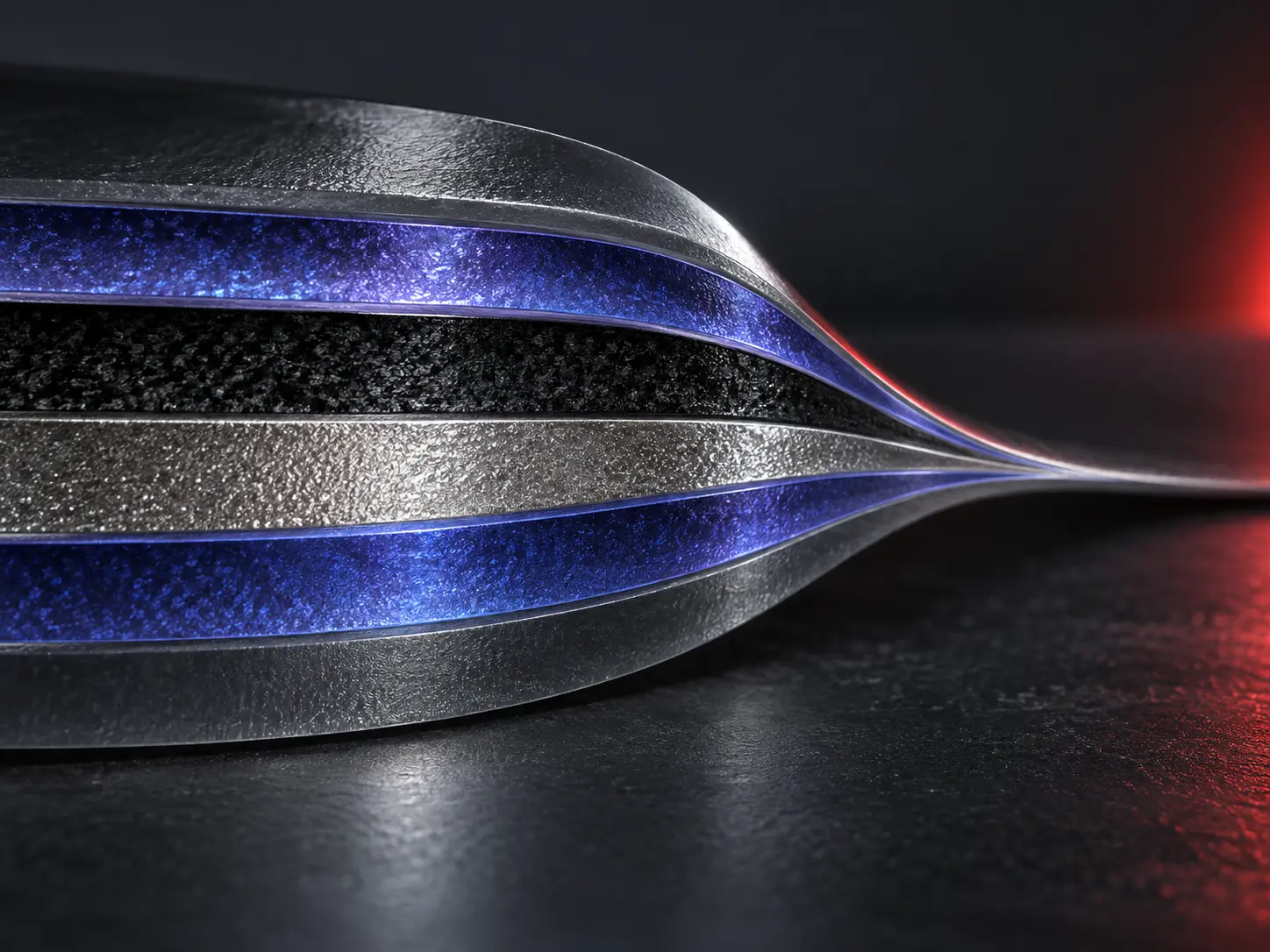
Two anti-ageing layers, two UV+420 layers, colour-pigmentation PET and nano carbon ceramic heat control are integrated into the base film.
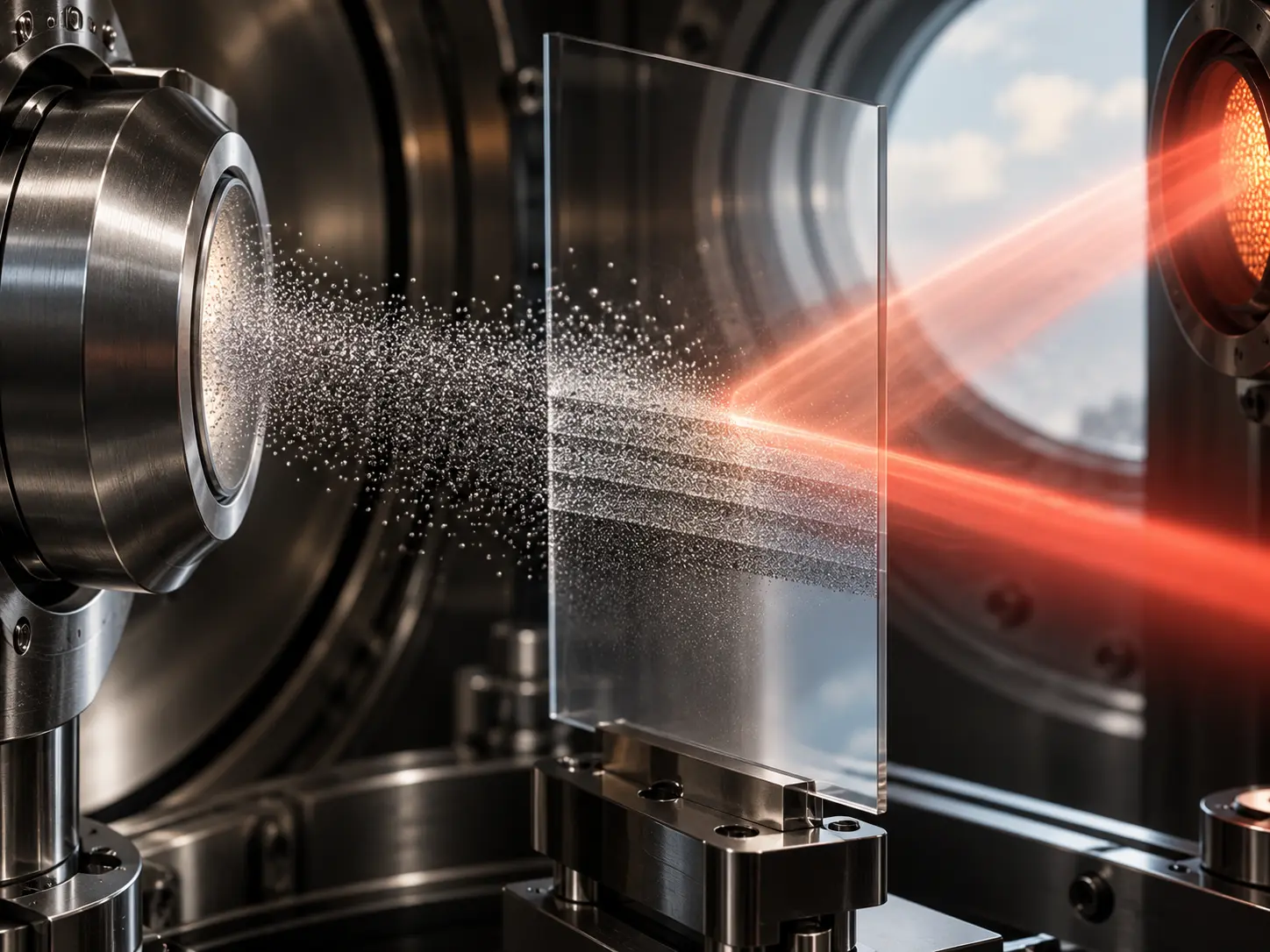
Metallic layers designed to reflect solar heat for stronger comfort.
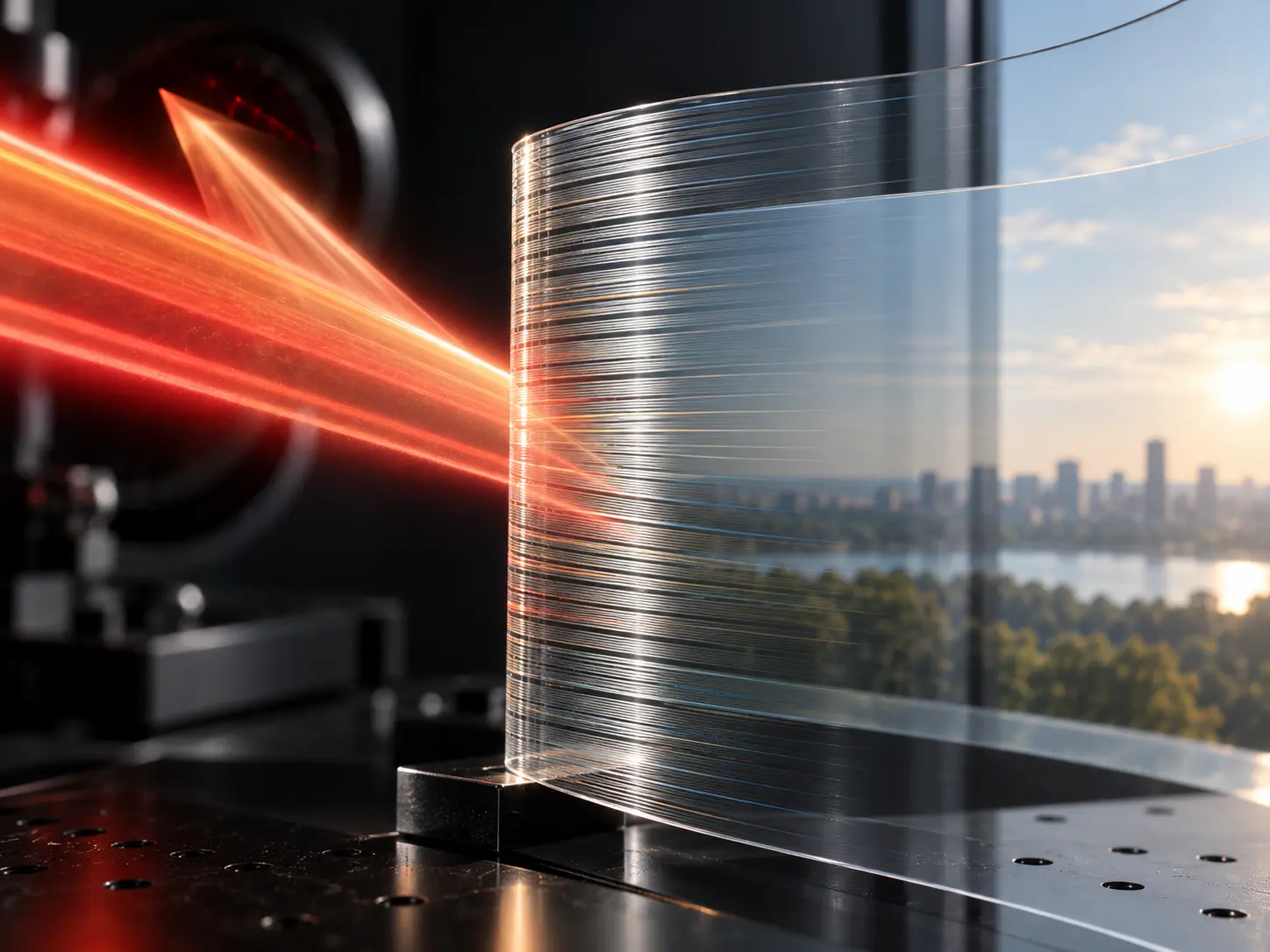
Premium multi-layer solar control with high reflection efficiency.
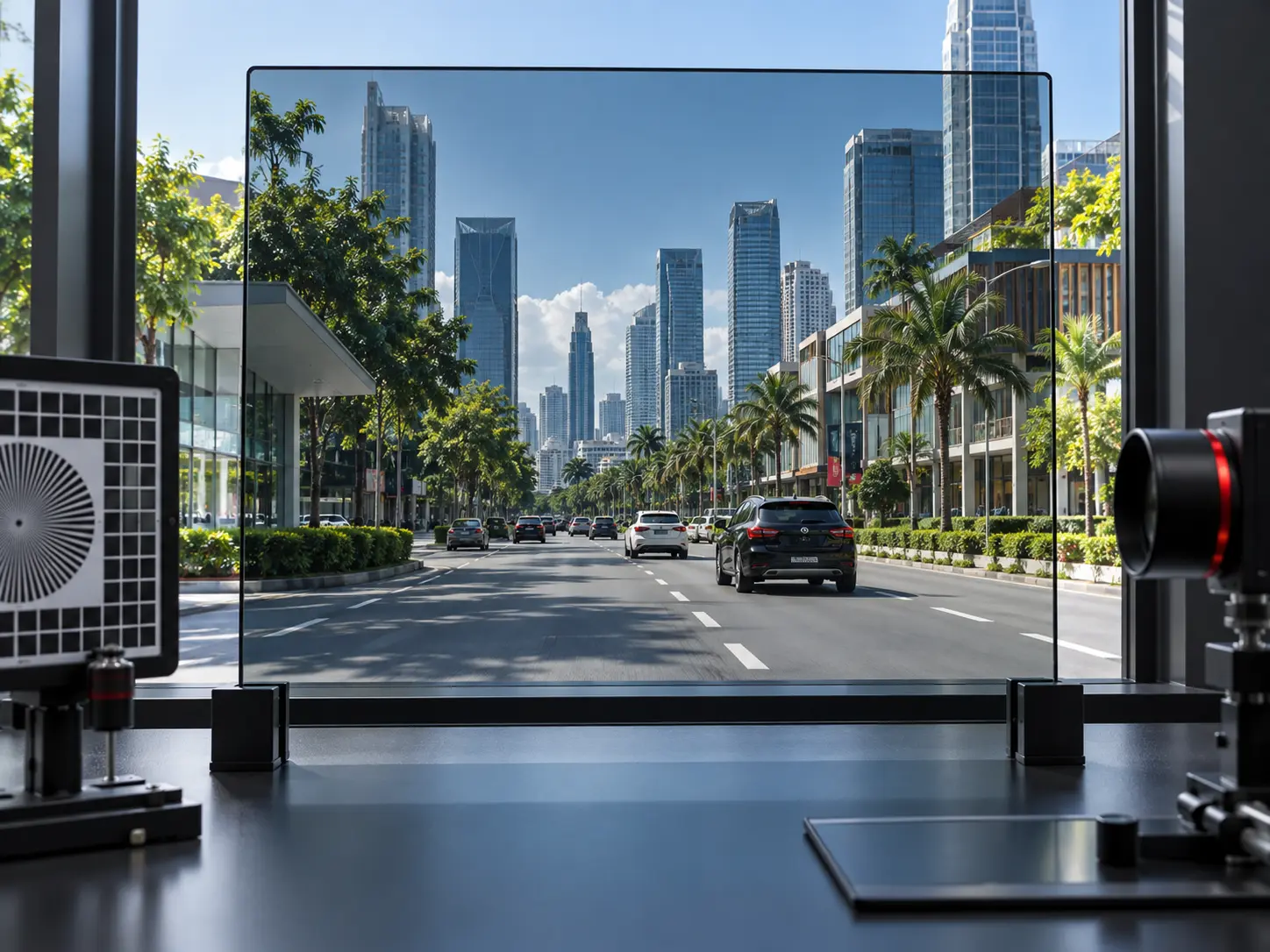
Performance balanced with visibility and natural appearance.
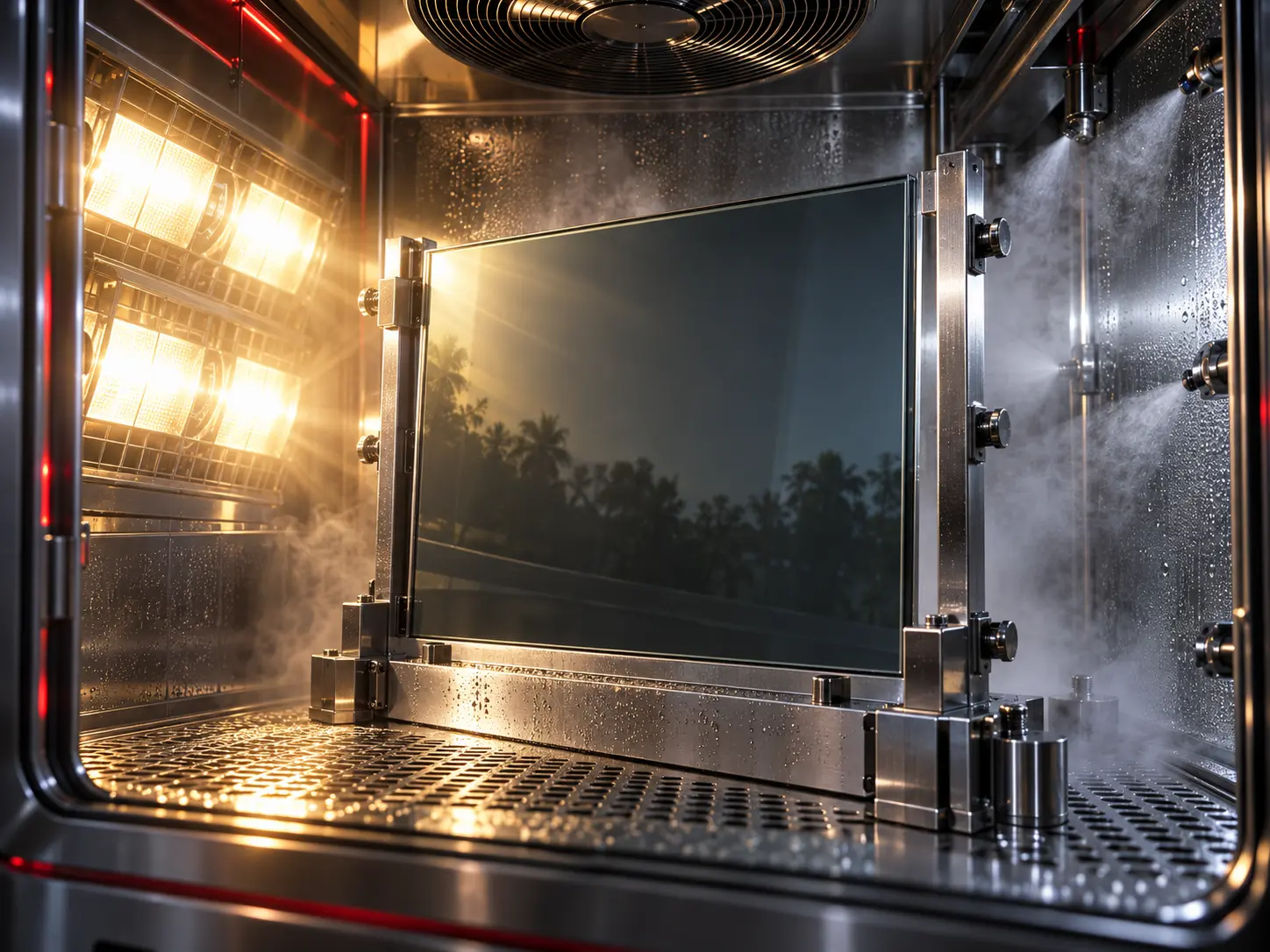
Construction designed for heat, sunlight and long-term ASEAN use.

Inspired by UV+420 optical-lens technology, IrisPro applies extended wavelength protection to solar window film. It filters ultraviolet radiation through UV400 and extends into HEV blue-violet light up to 420 nm—helping protect people and interiors from daily solar exposure.

Six functional layers are integrated into one stable PET base film. Two outer anti-ageing layers protect two UV+420 layers, which surround the Chip Dye Carbon colour layer and Nano Titanium Ceramic heat-rejection layer.

Titanium or silver atoms are deposited onto the film in multiple ultra-thin layers. These metallic layers reflect solar heat more effectively while maintaining optical clarity and a refined appearance.
Compare Glue Dye Ceramic, Deep Dye Ceramic, Chip Dye Ceramic and IrisPro’s patented 6-Layer Hotmelt construction. Learn where colour, UV protection and heat-control materials are placed—and why the production method affects durability and retained performance.
Explore how window film is madeUse practical video comparisons to understand why similar claims can produce different real-world results.
Watch practical comparisons that help explain differences in construction, measurement and performance.
Watch playlistSputtered film uses a vacuum-deposition process to place extremely thin metallic layers onto film, helping reflect solar energy while maintaining visibility.
Sputtering describes a manufacturing process—not a single standard of quality. Price and performance depend on the sputtering material, the number and uniformity of deposited layers, production control, PET and adhesive construction, optical clarity, durability, testing and warranty. Some lower-cost metallic films may use simpler metal-containing coatings or adhesive mixtures rather than a carefully controlled multi-layer vacuum-sputtering construction. An impressive IRR reading alone does not guarantee better real-world comfort or lasting performance. A verified IrisPro customer shared that he replaced his three-month-old RM2,000+ multi-layer sputtering tint because the cabin remained uncomfortable. After changing to IrisPro Titan X, he reported faster cabin cooling, improved comfort in traffic and greater confidence in the film. Not all sputtered films are the same—compare the material, layer construction, TSER, optical clarity, durability and warranty, not only the word ‘sputter’ or one IRR figure.
Read the verified Google customer reviewIt can, but not every sputtered film or mobile phone responds in the same way. Signal performance depends on the film’s metallic composition, electrical conductivity, thickness, number of sputtered layers and coverage across the vehicle glass. The phone also matters: different iPhone and Android models use different antennas, modems and network bands, so one device may show weaker reception while another works normally in the same vehicle. A highly conductive or heavily metallised film covering most of the glass may weaken mobile reception, GPS, RFID or other wireless signals, particularly where the original network signal is already weak. IrisPro can recommend a mix-and-match film combination—using higher-performance sputtered film on heat-intensive glass and a suitable lower-metal or non-metallic film where signal transmission is more important. Customers who rely heavily on calls, navigation, wireless toll systems or in-car connectivity should tell their IrisPro advisor before choosing a film. Where connectivity is critical, test the proposed combination with the customer’s actual phone and vehicle before completing the installation.
Signal interference is not caused only by sputtered or metallic window film. SmartTAG communicates with the toll reader using infrared light. A film designed to reject or absorb strongly within the near-infrared range may reduce the signal passing through the windscreen—even when the film uses ceramic rather than metallic sputtering technology. The actual result depends on infrared transmission at the SmartTAG operating wavelength, film construction, the original windscreen, film coverage, SmartTAG placement, battery condition and device sensitivity. Access cards may work differently: many use RFID radio frequencies rather than infrared. Metallic or highly conductive films may weaken these radio signals, while the access-card frequency, reader position and vehicle glass can also affect detection. IrisPro can recommend a suitable mix-and-match film combination or signal-transmission area to maintain SmartTAG, access-card and mobile connectivity while still achieving strong heat rejection, UV+420 protection and comfortable driving.
Conventional Glue Dye Ceramic or sandwich-film constructions may place colour pigments and heat-control compounds within an adhesive or coating layer between separate PET layers. Their performance and durability can vary according to the materials, adhesive quality and manufacturing process. IrisPro’s patented 6-Layer Hotmelt Technology integrates six functional layers into one stable PET base film: two outer anti-ageing layers protect two UV+420 layers, which surround the Chip Dye Carbon colour layer and Nano Titanium Ceramic heat-rejection layer. By integrating the functional materials into the base film, the construction relies less on adhesive layers to carry its colour and heat-control performance. This is designed to support better stability, retained clarity, colour consistency and long-term durability under intense ASEAN heat and sunlight.
Ceramic film primarily uses nano-ceramic materials to control infrared heat while maintaining optical clarity and wireless connectivity. Carbon Ceramic film combines carbon-based colour pigmentation with ceramic heat-control material: the carbon component supports darker, more stable colour and privacy, while the ceramic component helps manage solar heat. IrisPro uses Chip Dye Carbon and Nano Titanium Ceramic within its patented 6-Layer Hotmelt Technology. This integrated construction is designed to provide colour stability, privacy, UV+420 protection and practical heat control without relying only on a generic ‘ceramic’ label. Actual performance still depends on the complete film construction, material quality, VLT, IRR, TSER, durability and test method—not simply whether the product is called Ceramic or Carbon Ceramic.
Ceramic films commonly absorb a larger share of solar heat, while metallic sputtered films are designed to reflect more energy outward. Exact behaviour varies by construction.
The IrisPro training module references international methods including ISO 9050, ISO 13837, EN 410, ASTM E903 and JIS R 3106. The applicable method depends on the property being measured.
Layer design, adhesives, dyes, protective coatings and manufacturing stability all affect optical quality, durability and retained performance.
Tell us about your car, home or commercial project. Our advisor will help you choose a suitable solution.